
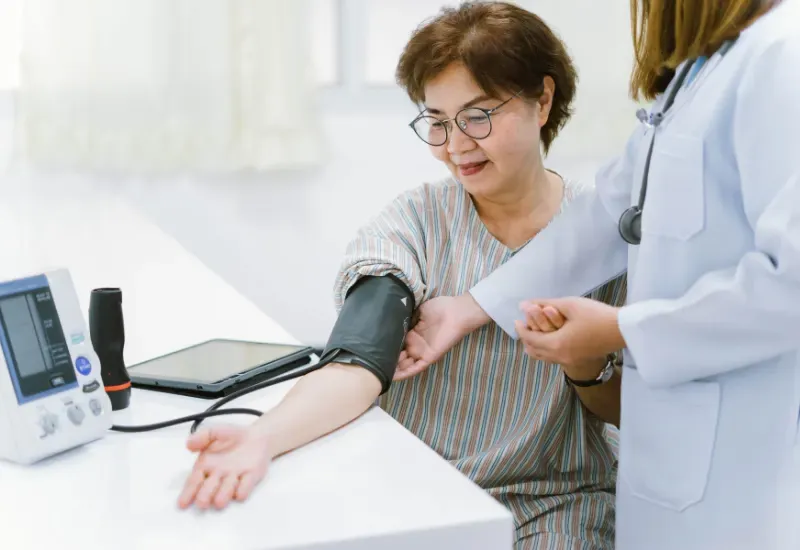
Hypertension Dubai, commonly known as high blood pressure, is a chronic medical condition where the force of blood against the walls of arteries is consistently too high. Often called the “silent killer,” hypertension may not show noticeable symptoms but significantly increases the risk of heart disease, stroke, kidney problems, and other serious complications.
Effective management of hypertension requires a combination of medications, lifestyle adjustments, and regular monitoring. In Dubai, access to specialized healthcare services ensures patients receive personalized treatment plans to maintain optimal blood pressure levels and prevent long-term health risks.
Understanding Hypertension
Definition and Types
Hypertension is defined as a persistent blood pressure reading of 140/90 mmHg or higher. There are two main types:
- Primary (Essential) Hypertension: Develops gradually over years with no identifiable cause.
- Secondary Hypertension: Caused by an underlying condition such as kidney disease, hormonal disorders, or certain medications.
Why Monitoring Matters
Regular monitoring allows:
- Early detection of elevated blood pressure
- Timely adjustment of medications
- Prevention of cardiovascular complications
Medications for Hypertension Dubai
1. Diuretics (Water Pills)
- Function: Help remove excess sodium and water from the body, reducing blood volume and lowering blood pressure.
- Common Types: Thiazide diuretics like hydrochlorothiazide.
- Considerations: May cause increased urination and electrolyte imbalances.
2. ACE Inhibitors (Angiotensin-Converting Enzyme Inhibitors)
- Function: Relax blood vessels by blocking the formation of angiotensin II, a chemical that narrows arteries.
- Common Types: Lisinopril, Enalapril.
- Considerations: Can cause cough or elevated potassium levels.
3. ARBs (Angiotensin II Receptor Blockers)
- Function: Block the action of angiotensin II to prevent artery constriction.
- Common Types: Losartan, Valsartan.
- Considerations: Alternative for patients who cannot tolerate ACE inhibitors.
4. Beta-Blockers
- Function: Reduce heart rate and output, lowering blood pressure.
- Common Types: Atenolol, Metoprolol.
- Considerations: May not be suitable for patients with asthma or certain heart conditions.
5. Calcium Channel Blockers
- Function: Prevent calcium from entering heart and artery cells, relaxing blood vessels.
- Common Types: Amlodipine, Diltiazem.
- Considerations: Can cause swelling in the ankles or constipation.
6. Combination Therapy
In some cases, patients may require two or more medications to achieve optimal blood pressure control. This approach is common when a single drug is insufficient.
Monitoring Hypertension in Dubai
Home Blood Pressure Monitoring
- Devices: Automatic digital blood pressure monitors are widely available in Dubai.
- Frequency: Daily monitoring or as advised by your physician.
- Benefits: Provides real-time feedback and helps track trends over time.
Regular Clinical Check-Ups
- Frequency: Typically every 3–6 months for stable patients; more frequent if blood pressure is uncontrolled.
- Assessments: Blood pressure readings, weight, heart rate, and lab tests to evaluate organ function.
Lab Tests for Hypertension Management
- Blood Tests: Assess kidney and liver function, cholesterol, blood sugar, and electrolytes.
- Urine Tests: Detect early kidney damage caused by prolonged high blood pressure.
- Electrocardiogram (ECG): Checks for heart complications related to hypertension.
Lifestyle Measures to Support Medication
Even with proper medication, lifestyle adjustments are crucial for managing Hypertension Dubai:
Dietary Changes
- Reduce salt intake
- Increase fruits, vegetables, and whole grains
- Limit processed foods and sugary drinks
Physical Activity
- Moderate exercise like walking, cycling, or swimming for at least 30 minutes daily
- Helps improve heart health and maintain healthy weight
Weight Management
- Maintain a healthy BMI to reduce strain on the cardiovascular system
- Weight loss can enhance medication effectiveness
Stress Management
- Yoga, meditation, and breathing exercises help lower stress-related blood pressure spikes
Avoid Smoking and Limit Alcohol
- Smoking damages blood vessels and worsens hypertension
- Limit alcohol to moderate levels as recommended by healthcare providers
Signs That Require Immediate Medical Attention
Patients should seek urgent care if they experience:
- Severe headache
- Chest pain or shortness of breath
- Vision changes
- Sudden numbness or weakness in the limbs
- Rapid or irregular heartbeat
These could indicate a hypertensive crisis or cardiovascular complications.
FAQs About Hypertension Dubai
Can hypertension be cured?
Hypertension is generally a chronic condition. While medications and lifestyle changes can control blood pressure effectively, it usually requires lifelong management.
How often should blood pressure be checked at home?
Most patients monitor once or twice daily, preferably at the same time each day, to maintain consistent records.
Are medications alone enough to control hypertension?
Medications are important, but lifestyle modifications are equally essential for long-term control and reducing complications.
Can children or adolescents develop hypertension?
Yes, hypertension can affect younger individuals, especially those with obesity, family history, or underlying medical conditions.
What are the risks of uncontrolled hypertension?
Uncontrolled blood pressure can lead to heart attack, stroke, kidney failure, vision loss, and other serious health issues.
Conclusion
Effective management of Hypertension Dubai involves a combination of medications, regular monitoring, and healthy lifestyle practices. Patients should work closely with their healthcare providers to develop a personalized plan that includes appropriate drug therapy, home and clinical monitoring, and dietary and physical activity adjustments.
By adhering to prescribed medications, tracking blood pressure regularly, and implementing preventive measures, individuals can significantly reduce the risks of complications and maintain long-term cardiovascular health. Proactive management ensures that hypertension remains under control, improving quality of life and overall well-being.